




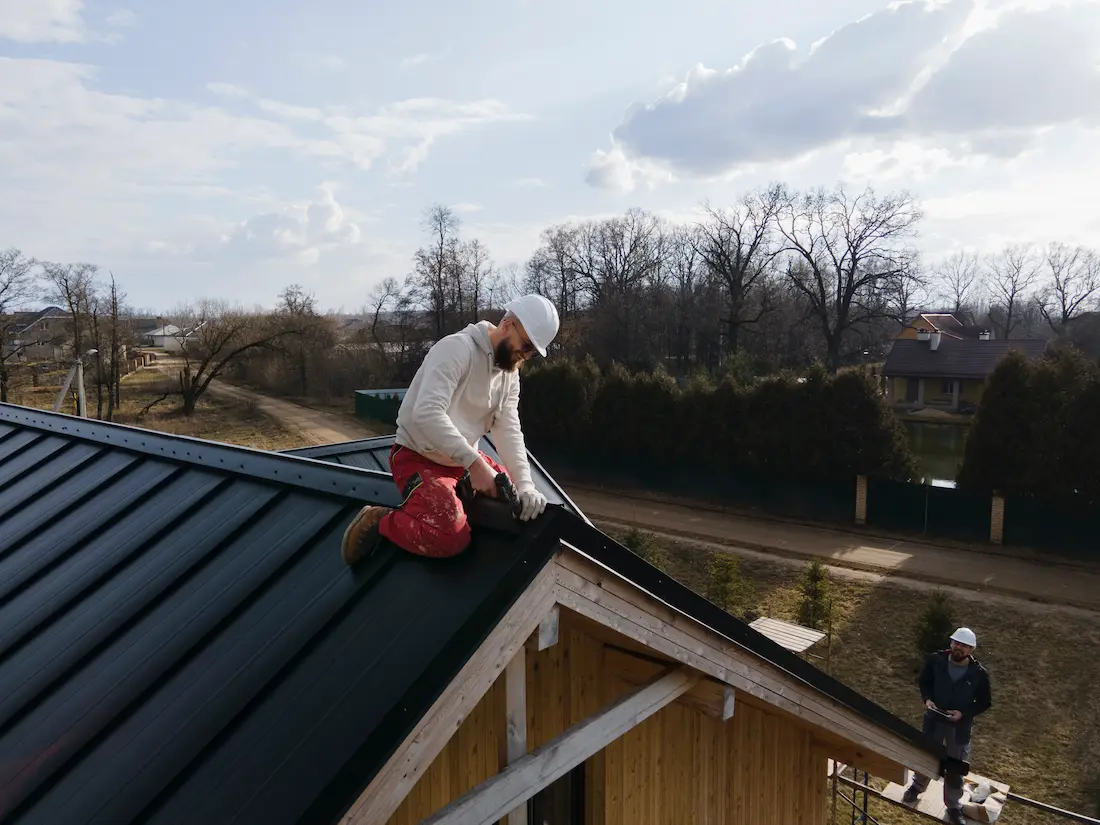
When a storm rips off shingles or a limb punches through your roof, water doesn’t wait. We don’t either. At Rhinovations, we deliver fast, professional emergency roof tarping across Greater Houston so you can stop active leaks, protect your home’s interior, and buy time for a proper repair. Our crew arrives ready to assess, secure, and stabilize then guide you through permanent fixes and the documentation your insurer will actually use.
When You Need an Emergency Roof Tarp (and Why Acting Fast Matters)
Signs you need a tarp now
If you can see sunlight through the decking, water dripping from a light fixture, wet spots spreading on ceilings, or missing shingles/tiles after wind or hail, you’re in “tarp now” territory. Other red flags include soft or blistering drywall, buckling flooring, a musty smell (early mold), or an obvious impact hole from a fallen branch. In Houston’s volatile weather, a brief lull between storm bands is often your only safe window to mitigate. We fill that window with speed and precision.
What a tarp actually prevents
A properly installed tarp is temporary protection with an outsized payoff. It limits secondary damage think soaked insulation, swelling trim, warped subfloor, and ruined personal items. It helps you avoid electrical hazards from water intrusion. Equally important, mitigation shows your insurer you acted to reduce loss, which is typically required under most policies. The goal isn’t to make the roof “look fine”; it’s to stabilize the structure so interior humidity drops, surfaces can dry, and you’re set up for an efficient permanent repair. Done wrong, tarps flap, funnel water, and tear shingles. Done right, they’re tight, anchored, and sealed at the edges to shed water away from openings.
Our Emergency Tarping & Repair Process
Rapid arrival → on-site assessment → temporary protection (tarp) → permanent repair plan
Once you contact us, we mobilize a crew with the materials and safety gear needed for same-day mitigation when conditions allow. On arrival, we perform a roof-level and attic/ceiling check to map the water path and confirm the true source. We document everything photos, notes, measurements so you have a clean trail for insurance. Next, we install a temporary tarp system sized to the damaged area plus healthy overlap, secure it, and confirm interior drip points are controlled. Before we leave, you’ll have a clear next-steps plan for permanent repair: scope, options by roof type (shingle, tile, metal), and an estimated timeline that accounts for weather and materials.
How we secure tarps the right way (anchor boards, edge sealing, avoid warranty issues)
We build low-profile anchor rows (commonly with 2×4s where appropriate) to distribute load and prevent wind lift, then mechanically fasten through solid framing not just through loose shingles so the system resists shear and flutter. We use cap nails/screws and protective underlayment/butyl where needed to reduce penetrations into vulnerable zones. Edges are shingled in the water flow direction and sealed to route runoff away from seams, vents, and valleys. Vent stacks, chimneys, and skylights get dedicated flashing/tarp detailing so they don’t become leak re-entry points. The objective: secure, drain, and protect without creating the kind of DIY damage that voids warranties or complicates claims.
Roof Tarp vs. Shrink Wrap vs. Quick Patches: What’s Best in Houston Weather?
Shingle, tile, and metal roofs: what changes in tarping method
- Asphalt shingles: We prioritize broad coverage and smooth water shedding; anchor placement avoids breaking tab bonds in bulk.
- Tile (clay/concrete): Weight and fragility matter. We avoid point loads and use strap/board layouts that won’t crack tiles or block valley flow.
- Metal panels: Expansion, seams, and fastener lines require careful edge sealing and non-abrasive contact points to prevent finish damage.
How long a temporary tarp can stay on (and maintenance between storms)
Temporary means temporary. A high-quality tarp can bridge you days to a few weeks depending on wind exposure, pitch, and ongoing weather, but we don’t recommend “set and forget.” After major gusts or heavy rain, we can re-check tension and edges, clear pooled water, and confirm no new ingress points formed. If your roof needs more than short-term stabilization e.g., large open areas or extended material lead times we’ll discuss intermediate solutions and accelerated permanent repairs so you’re not riding out another front on a tarp.
Insurance & Documentation Support
Photos, scope, and invoices adjusters actually use
We capture before/after photos, mark impact areas, and note roof components affected (shingles, decking, underlayment, flashings). Our job notes translate into a clear scope that an adjuster can follow. Your mitigation invoice specifies location, materials, and labor so it’s easy to classify as emergency mitigation, not a full repair.
What’s typically covered for emergency mitigation in Texas (not legal advice)
Most policies expect homeowners to mitigate further damage after a covered event. While every policy differs, emergency tarping often falls under that mitigation umbrella. We’ll never give legal advice, but we coordinate with your carrier and provide documentation fast so you can keep momentum. If your adjuster needs additional photos or clarification, we help facilitate that too.
Service Areas & Response Times
Greater Houston coverage (Katy base) and how to schedule now
We serve Greater Houston, with rapid access from our Katy base to communities such as Cypress, Sugar Land, Richmond, Memorial, Spring Branch, and beyond. Storms don’t hit one ZIP code at a time, so we scale crews as weather events move across the metro. To schedule, call our team or use our quick online request form we’ll confirm availability and ETA, then keep you updated en route.
What to do inside your home until we arrive (safe, simple steps)
- Protect people and power first: If water is near fixtures or panels, avoid those areas and consider shutting off circuits.
- Catch and contain: Place buckets under active drips; puncture the center of a bulging ceiling bubble to control the leak path into a container.
- Move belongings: Slide furniture, rugs, and electronics away from wet zones; lay towels to reduce splash and staining.
- Ventilate: If safe, increase airflow to speed drying and reduce humidity buildup.
Cost Factors for Emergency Roof Tarping in Houston
Roof pitch, access, size, materials, storm surge demand
Pricing depends on square footage covered, pitch/height, access (steep/slick/landscaping constraints), and complexity around penetrations or valleys. Severe weather can create surge demand, which affects crew logistics and availability windows. We’re transparent about costs up front and keep mitigation lean and purposeful you pay for a stable, professional bridge to permanent repairs, not a band-aid that fails in the next gust.
Why pro tarping often saves money vs. DIY mistakes
DIY looks cheaper until it isn’t. Common pitfalls: driving fasteners where they funnel water under the tarp, creating new leaks, trapping moisture against sheathing, or tearing shingle mats by over-tensioning. Those errors increase interior damage, complicate claims, and can even void manufacturer warranties. Our approach is engineered to shed water, minimize penetrations, and respect roof systems so the final repair is cleaner, faster, and more predictable.
FAQs: Emergency Roof Tarping in Houston
Yes. We coordinate removal as part of your permanent repair workflow so there’s minimal exposure time between temporary protection and final fix.
Improper tarping can cause issues. Our methods focus on structural anchoring and correct water flow, minimizing risk to manufacturer and workmanship warranties.
We document thoroughly and communicate clearly so your adjuster has what they need. You handle approvals; we handle clean, timely documentation and the repair.
Get Immediate Help
Need emergency tarping or post-storm roof repairs now? Contact Rhinovations and we’ll get you scheduled, stabilized, and on the path to a proper fix.
Conclusions
Emergency roof tarping is about speed with precision. We stop the leak, protect what matters, and set up the cleanest path to permanent repairs. In Greater Houston’s fast-changing weather, that combination is what saves interiors and keeps claims simple.