




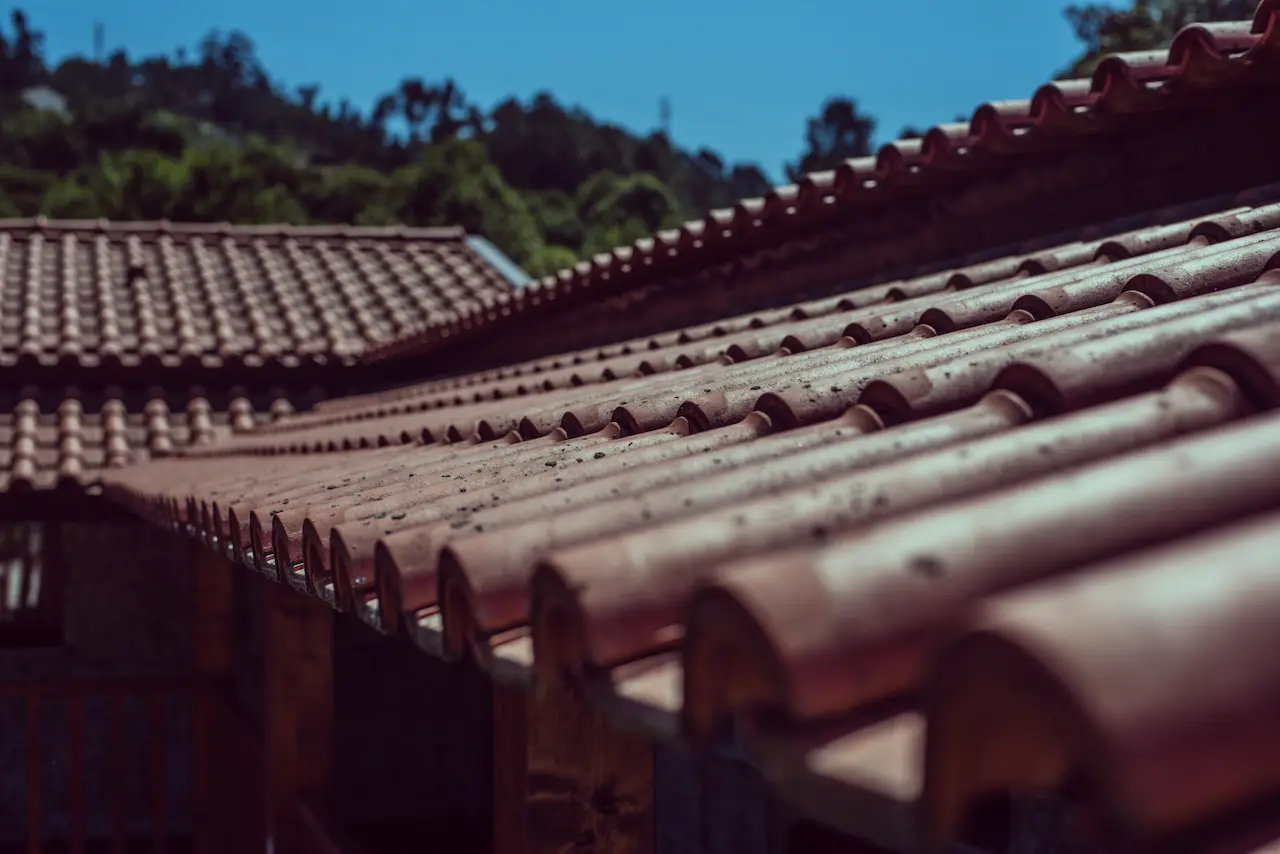
If you live in Greater Houston, you’ve probably heard wildly different answers to how long should a roof last in Texas. The honest answer: material, installation quality, ventilation, and our weather (heat, humidity, hail, hurricanes) all push roof lifespan up or down. As a local roofing team serving Houston families since 2008, this guide lays out realistic lifespans, what shortens them here, and simple steps to stretch every year out of your roof.
Need clarity fast? Book a free, photo‐documented inspection: https://rhino-
vations.com/
What’s the Average Roof Lifespan in Texas? (By Material)
The ranges below reflect typical Texas performance, adjusted for Houston’s heat, humidity, and frequent storms. Your specific roof may vary based on attic ventilation, underlayment quality, storm history, and maintenance.
| Roof Material | Realistic Texas Range | Notes for Houston Homes |
| Asphalt shingles | 15–25 years | Most common; lifespan depends heavily on UV exposure, hail, and ventilation. |
| Architectural shingles | 20–30 years | Thicker mats and better wind ratings; requires balanced intake/exhaust ventilation. |
| Metal (standing seam/ stone‐coated) | 40–70 years | Durable in heat; hail may cause cosmetic dents but usually maintains function. |
| Clay & concrete tile | 40–60+ years | Tile often outlives underlayment; structure must support weight; watch impact resistance. |
| Slate | 75–100+ years | Long service life with the right structure and maintenance; specialized choice for our region. |
| Wood shake | 20–30 years | High maintenance in humidity; consider impact‐rated alternatives if longevity is the priority. |
Asphalt shingles in Houston: realistic 15–25 years
Asphalt shingles are popular for cost and curb appeal. Expect ~15–25 years depending on shingle class, attic ventilation, roof pitch, tree cover, and storm history. Visible granule loss, curling, brittle tabs, and recurring leaks in the low‐20s usually signal it’s time to plan replacement.
Architectural/fiberglass shingles: up to ~30 years with proper ventilation
Architectural shingles can push into the upper‐20s/around 30 years, but only if the roof system breathes correctly. Poor ventilation bakes shingles from below and shortens life, even on premium products.
Metal roofs: 40–70 years (hail & heat considerations)
Properly detailed metal (clips, flashing, expansion) often outlasts shingles severalfold. It handles heat well and resists wind uplift. After hail, dents are frequently cosmetic; we check panels and seams to confirm function and warranty status.
Clay & concrete tile: 40–60+ years (underlayment is key)
Tiles can run for decades, but underlayment typically dictates service life. Re‐dry‐in projects at mid‐life are common. We verify structural capacity and discuss impact‐rated options if hail is a concern.
Slate & wood shake: when they make sense in Texas
True slate offers exceptional longevity but needs proper framing and skilled installation. Wood shake can look great but demands disciplined maintenance in our humidity. We’ll show material pros/cons on your actual decking and ventilation.
Why Texas Weather Shortens Roof Life
Heat + UV: granule loss and brittle shingles
Houston summers drive attic temperatures up. UV and heat accelerate granule loss, asphalt oxidation, and brittleness exactly what leads to early cracking and leaks. Reflective shingle colors, quality underlayment, and correct ventilation slow this down.
Humidity + poor ventilation: trapped heat, faster aging
Moist air plus an unbalanced attic (insufficient soffit intake vs. ridge exhaust) is a slow‐motion roof killer. Trapped heat cooks shingles from below, can warp decking, and invites mold. A quick ventilation audit is one of the cheapest ways to add years to a roof.
Hail, wind, and hurricanes: what really causes premature failure
Hail knocks off granules and fractures shingle mats; wind uplifts shingles and opens flashing seams; hurricanes combine both with wind‐driven rain. After any major storm, a documented inspection helps catch small failures before they snowball.
Clear Signs It’s Time to Replace (Before Bigger Damage)
- Leaks or interior stains that return after small patch jobs.
- Granules in gutters, curling or missing shingles, bald spots on slopes.
- Sagging/soft decking or visible waviness from the street.
- Damaged flashing at chimneys, valleys, and skylights.
- Post‐storm issues: wind creases, lifted ridges, hail impact spatter.
If you’re seeing two or more of these, full replacement often beats recurring repairs on cost and risk. We’ll price both repair and replacement and show you job photos so you can decide with confidence.
How to Extend Your Roof’s Lifespan in Houston
- Annual + after‐storm inspections. Catch punctures, lifted shingles, and flashing gaps early. Start with a free inspection: https://rhino-vations.com/
- Balanced attic ventilation. Pair soffit intake with ridge exhaust; don’t mix competing systems.
- Quality underlayment. In our climate, the dry‐in layer often dictates service life (especially under tile) and boosts shingle resilience.
- Fast leak response. Small leaks migrate and rot decking; if needed, call for emergency repair.
- Routine maintenance. Clear gutters, trim overhanging limbs, reseal key flashings as needed.
Warranties, Insurance & Costs in Texas (What Homeowners Should Know)
Manufacturer vs. workmanship warranties
Manufacturer warranties cover product defects; workmanship warranties cover installation errors. You want both. We register products where applicable and stand behind our install.
Insurance claims after hail/wind: steps & timelines
If a storm is the culprit, we can help you: document damage, file the claim, meet the adjuster, and scope a code‐compliant repair or replacement. Expect transparent communication about deductibles and timelines.
Budgeting for replacement: what affects price in Houston
Material choice, roof complexity (stories/steepness), decking condition, ventilation upgrades, code requirements, and disposal influence price. We itemize every line and include photos so you know what you’re paying for and why.
When to Call Rhinovations (Houston Roofing Experts Since 2008)
Whether you need Roof Replacement, Roof Repair, Emergency Roof Repair, Storm Damage Repair, proactive Roof Maintenance, or step‐by‐step Insurance Claims Support, our team is ready to help Greater Houston homeowners.
- Roof Replacement: https://rhino-vations.com/roof-replacement-services/
- Roof Repair: https://rhino-vations.com/roof-repair-services/
- Emergency Roof Repair: https://rhino-vations.com/emergency-roof-repair/
- Storm Damage Repair: https://rhino-vations.com/storm-damage-repair/
- Roof Maintenance: https://rhino-vations.com/roof-maintenance-services/
- Insurance Claims: https://rhino-vations.com/insurance-claims-services/
Schedule your free roof inspection today and get a plan that fits your home, budget, and timeline.
FAQs
Most Texas shingle roofs land around 15–25 years; higher‐end materials (metal/tile) run longer with proper installation and ventilation.
Yes heat/UV speed up granule loss and brittleness; humidity plus poor ventilation “bakes” shingles from below. Balance attic airflow and maintain the underlayment.
Yes heat/UV speed up granule loss and brittleness; humidity plus poor ventilation “bakes” shingles from below. Balance attic airflow and maintain the underlayment.
Often if the carrier verifies storm‐related damage. We help document, file, and meet the adjuster.
Balance intake/exhaust ventilation, keep gutters clear, maintain flashings, and address leaks quickly.
Conclusions
In Texas and especially Houston roof lifespan is shaped by materials, installation quality, ventilation, and storms. Use the ranges above to plan, but rely on a local, photo‐backed inspection to know where you truly stand. We’ll put eyes on your roof, price repair vs. replacement transparently, and deliver craftsmanship built for Southeast Texas weather.