




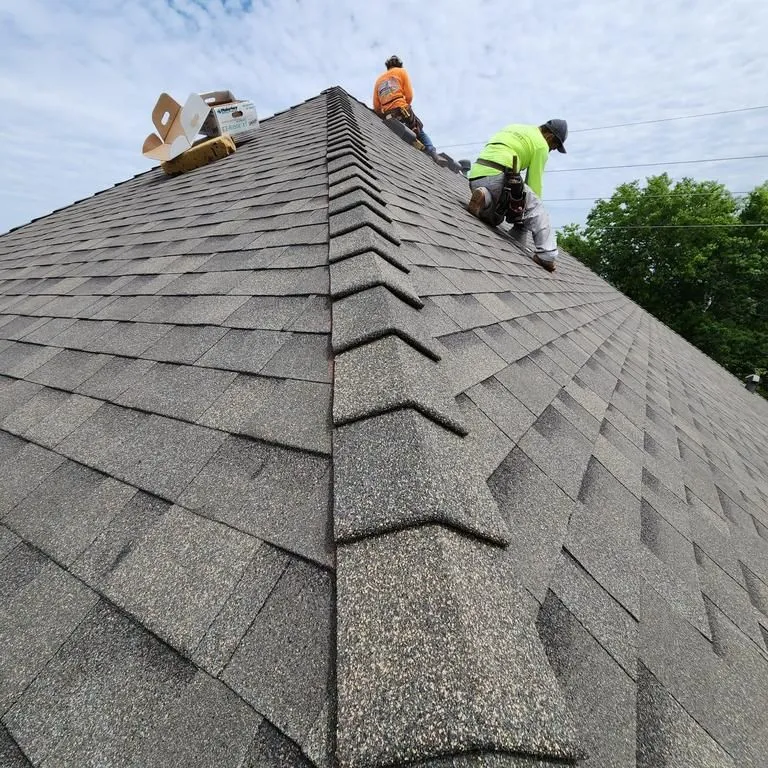
When you live in Texas especially in Greater Houston your roof works overtime. Heat, humidity, UV exposure, hurricane‑season winds, and spring hail can all shave years off a roof’s “textbook” lifespan. In this guide, we’ll give you a straight, local answer to how often you should replace your roof in Texas, plus the signs to watch for and smart upgrades that extend lifespan.
Local perspective: At Rhinovations, we inspect Houston roofs year‑round. We see how Gulf Coast weather accelerates aging so the timelines below reflect what we actually find on homes like yours, not just manufacturer brochures.
Texas Climate vs. Roof Lifespan (What’s “Normal” in Houston?)
A roof that might last 25–30 years in a mild climate can age out sooner along the Gulf Coast. Why? Three culprits dominate: extreme heat/UV, humidity, and storms (hail + wind).
Heat, UV, Humidity and Why Houston Roofs Age Faster
- Heat & UV: Prolonged high temperatures and sun exposure dry out asphalt binders, causing granule loss, brittleness, and surface cracking. Roof planes facing south and west age the fastest.
- Humidity & Daily Thermals: Moist Gulf air plus big day‑night swings stress materials. Trapped attic heat/humidity accelerates shingle aging and can warp decking if ventilation is poor.
- Salt‑tinged air: Closer to the coast, salt and moisture can speed corrosion on fasteners and flashing if materials aren’t up to spec.
What we see: In Houston neighborhoods with full sun and limited ridge/soffit ventilation, we often see architectural shingles aging like 18–22 years instead of their 25–30 on paper.
Hail & High Winds: How Storms Cut Years Off Your Roof
- Hail: Even “minor” hail can loosen protective granules, exposing asphalt to UV. Over time, bruised spots turn into bald patches and leaks.
- Straight‑line winds & gusts: Lift shingles, break sealant strips, and stress nails and flashing. After big wind events, lifted shingles can start a cycle of repeat repairs.
What we see after storms: Many Houston roofs remain technically watertight but suffer accelerated wear meaning you may not leak today, but your roof will likely need replacement earlier than a non‑stormed roof of the same age.
How Long Different Roof Types Last in Texas
Below are realistic Houston‑area ranges assuming decent installation and routine care. Your specific home’s exposure, attic ventilation, and storm history matter.
3‑Tab vs. Architectural Asphalt Shingles (≈ 15–25 Years)
- 3‑tab asphalt: ~12–18 years in Houston. Cost‑effective but thinnest; most vulnerable to wind uplift and UV.
- Architectural (laminated): ~18–25 years. Heavier and more wind‑resistant; ages better under heat when ventilation is right.
Pro tip from our crews: We routinely extend asphalt shingle life by improving ridge/soffit ventilation and correcting flashing detail around chimneys, skylights, and walls.
Metal Roofing in Coastal Texas (≈ 40–60 Years)
- Standing seam steel/aluminum: 40–60 years with quality underlayment and fasteners. Excellent wind resistance. Near the coast, consider aluminum or coated steel for corrosion resistance.
- Stone‑coated steel: Similar longevity; looks like tile/shake with metal durability.
What we recommend: For long‑term homes or coastal exposure, a properly detailed standing‑seam metal roof is a high‑ROI upgrade in our market.
Tile & Slate: Longevity With the Right Details
- Concrete/clay tile: 50+ years for the tile itself; underlayment may need refresh around 25–30 years. Tile is heavy your structure must be rated for it.
- Natural slate: 75–100+ years with expert installation and periodic flashing maintenance.
Installer insight: In Houston, tile/slate longevity depends heavily on underlayment, flashing, and ventilation. We plan maintenance cycles for these components up front so owners aren’t surprised.
Clear Signs It’s Time to Replace (Before the Leaks)
Catch aging early to avoid interior damage. During inspections, we look for:
Granule Loss, Curling, and Bald Spots
- Accumulated granules in gutters/downspouts.
- Bald patches and shiny asphalt showing through.
- Curling, cupping, or cracked shingles especially on sun‑blasted slopes.
Sagging, Soft Decking, and Repeated Repairs
- Soft or spongy areas when walking the roof (compromised decking).
- Sagging ridgelines or dips indicate structural or prolonged moisture issues.
- If you’re patching new leaks every few months, the roof system may be at end of life.
Post‑Storm Red Flags (What We See in Houston Homes)
- Pockmarks on shingles, dented metal vent caps, and bruised granules after hail.
- Lifted or creased shingles after wind events; failed seal tabs along rakes and eaves.
- Attic signs: water staining on decking, daylight around penetrations, musty smell.
Houston note: We often find roof issues during free post‑storm inspections even when ceilings look fine. Early documentation helps if you later pursue a claim.
Repair or Replace? A Simple Decision Framework
Use these checkpoints to decide the smart next step:
Roof Age vs. Damage Severity (Cost‑Benefit)
- Under 10 years & localized damage? Repair is likely best fix flashing, replace shingles, reseal penetrations.
- 10–20 years & recurring leaks or storm wear? Compare repair costs vs. remaining life. If you’re stacking repairs, replacement can be cheaper long‑term.
- 20+ years or widespread storm impacts? Replacement typically wins on risk and cost control.
Our approach: We start with a no‑pressure inspection and photos. If a targeted repair will safely buy you years, we’ll say so. If replacement is smarter, we’ll show you why with documentation.
When an Insurance Claim Makes Sense (Hail/Wind)
- Sudden, weather‑related damage (hail/wind) is often insurable; wear and tear is not.
- Document early: date of event, photos, a professional inspection report.
- Understand deductibles and code upgrades. A local contractor can meet your adjuster on site and speak to Houston‑specific codes and materials.
How we help: Rhinovations can guide you through documentation and meet adjusters. We focus on getting the scope right the first time.
How Often Should You Inspect Your Roof in Texas?
Minimum: once a year plus after any major storm. In Houston’s climate, this cadence catches small issues before they become big ones.
Annual + Post‑Storm Inspections (Free Houston Inspection)
- Annual check: shingles, flashing, vents, skylights, chimneys, wall ties.
- After storms: look for hail splatter, missing shingles, creases, bent metals.
- Attic pass: stains on decking, wet insulation, rusted nails, moldy odors.
Local offer: Schedule a free roof inspection with Rhinovations. We’ll share photos/video, a punch‑list, and a plan repair if that’s enough, replacement only when it’s the better call.
Ventilation, Flashing, and Gutter Care to Extend Lifespan
- Add or clear ridge/soffit vents to dump heat/humidity.
- Upgrade underlayment (synthetic or high‑temp) when reroofing.
- Refresh flashing at walls/penetrations; seal maintenance‑prone details.
- Keep gutters clean to prevent back‑up under eaves.
Best Materials and Upgrades for Houston Homes
Impact‑Rated Shingles, Underlayment, and Flashings
- Choose Class 3/4 impact‑rated shingles to resist hail and preserve granules.
- Use high‑temp underlayment under metal or low‑slope, and quality ice‑/water shield in valleys and around penetrations.
- Opt for corrosion‑resistant flashings/fasteners (especially near the coast).
Ventilation Upgrades That Pay Off in Our Climate
- Balanced intake (soffit) and exhaust (ridge) reduces attic heat and moisture key to shingle longevity.
- Consider powered ventilation only if intake is adequate and assessed by a pro to avoid depressurizing the attic.
From our installs: We see fewer heat blisters, better shingle lay‑flat, and lower bills when ventilation is done right. It’s the least flashy upgrade with the biggest lifespan payoff.
Get a Local, No‑Pressure Opinion
Ready for clarity? Book a free Houston roof inspection with Rhinovations. We’ll give you a documented condition report and a plain‑English plan repair when it’s smart, replace when it’s time.
Suggested internal links (add these as site links):
- Roof Replacement
- Roof Repair
- Emergency Roof Repair
- Storm Damage Repair
- Insurance Claims Assistance
- Roof Maintenance
FAQs
In Houston, many 3‑tab roofs run 12–18 years and architectural shingles 18–25 with proper ventilation. Metal can last 40–60, tile 50+, and slate 75–100+ with maintenance. Storm history and sun exposure can shorten (or extend) these ranges.
When problems are widespread bald patches, curling across multiple slopes, repeated leaks, or soft decking it’s often safer and cheaper to replace than chase repairs.
It depends on age and extent. Localized hail bruising on a young roof may be repairable; widespread damage or an older roof usually points to replacement and possibly an insurance claim.
At least once a year and after significant storms.
Balanced ventilation, impact‑rated shingles, high‑temp underlayment, and durable flashing/fasteners.
Conclusions
Texas roofs don’t all age the same Houston’s climate is uniquely tough. If your roof is approaching the ranges above or showing warning signs, get a local inspection. At Rhinovations, our goal is simple: protect your home’s envelope and your budget with the right call at the right time.