




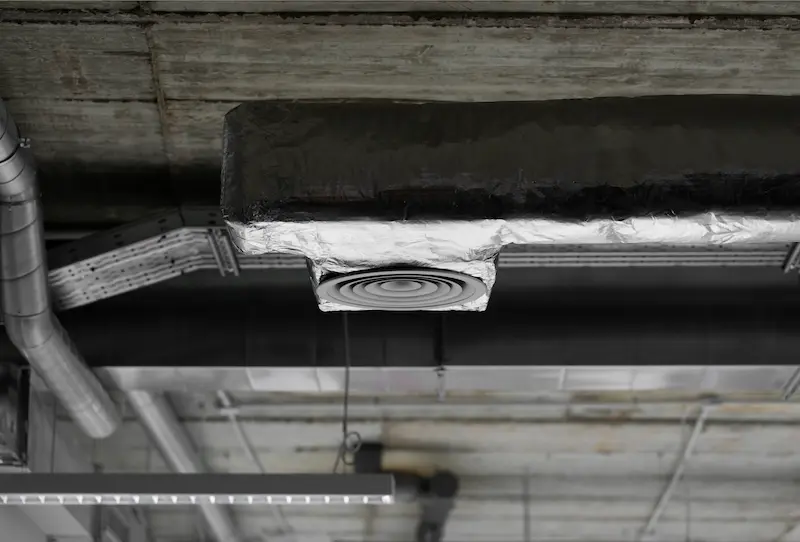
When an attic can’t breathe, your whole home feels it especially in Houston’s heat and humidity. In this guide, we’ll walk through the most common signs of poor attic ventilation, what causes them, what you can safely check yourself, and the fixes that last in our climate. We’ll also spell out when it’s time to bring in a roofer and what an inspection looks like.
Quick Checklist: 10 Clear Signs Your Attic Isn’t Ventilating Right
Excessive attic heat or hot upstairs rooms
If your upstairs feels like a sauna on summer afternoons, odds are the attic is trapping heat. Poor exhaust or blocked intake vents allow temperatures to soar, which radiates downward and stresses your HVAC. In Houston, this often shows up as rooms that cool slowly after sunset and uneven temps between floors.
Visible moisture on plywood, rusted nails, or musty odor
Condensation is a classic red flag. You might see darkened plywood, rust on nail tips, or smell a stale, “wet cardboard” odor. Moist air that can’t escape condenses on cooler surfaces, feeding mold and slowly degrading the roof deck.
Mold or mildew on decking or insulation
Small speckles can expand to blotches across the underside of the decking or on insulation facings. Besides the structural risks, mold is a health concern don’t ignore it. If you see growth, avoid disturbing it and call a pro.
Curling, cracked, or blistered shingles
From the ground you may notice shingles curling at the edges, cracking, or blistering. Trapped heat cooks shingles from beneath, shortening roof life and voiding some manufacturers’ warranties.
Ice dams (and why they happen even if you have insulation)
Not a daily problem in Houston, but during rare cold snaps, uneven attic temperatures can melt and refreeze snow/ice at the eaves, creating dams. The root is the same: heat where it shouldn’t be and air that can’t move.
Wavy rooflines or decking discoloration
Look along the roof plane any waviness or dips? Inside the attic, check for yellowing, dark stains, or delamination of OSB/plywood. Persistent heat and moisture can cause the deck to warp or weaken.
Higher summer energy bills and overworked HVAC
If bills jump but your thermostat habits haven’t changed, poor ventilation may be forcing the AC to fight attic heat. Watch for longer cycles and frequent on/off patterns.
Pest activity near vents or in insulation
Birds, squirrels, and insects love clogged or damaged vents. Nests block airflow even further and introduce debris and moisture.
Peeling paint or ceiling stains under the attic
Moist air drives into drywall and trim, causing paint to bubble or peel. Brownish ceiling circles may indicate condensation or roof leaks either way, investigate fast.
Condensation on ductwork or metal in the attic
Sweaty ducts or rusty metal hangers in summer tell you the attic air is too humid. Ventilation and air sealing work together here.
Root Causes: Intake vs. Exhaust (and the Balance You Need)
Good attic ventilation is a system, not a single vent. You need cool air in (intake) and hot, moist air out (exhaust) in a balanced ratio so air actually moves.
Blocked soffits, missing baffles, or painted-shut vents
Soffit vents feed the system but they’re often blocked by insulation, clogged with paint, or covered by debris. Baffles (rafter vents) keep a clear channel from soffits up into the attic; without them, insulation slumps and chokes intake. We frequently find gorgeous new insulation packed tight against roof sheathing… and zero airflow as a result.
Undersized ridge/box vents vs. roof design constraints
Exhaust should match intake. Undersized or too few ridge/box vents starve the system. Certain rooflines (hip roofs, short ridges, complex valleys) need a customized combination e.g., additional box/turtle vents or carefully placed off-ridge vents to achieve the right net free area.
Ventilation vs. insulation: how to tell them apart
Ventilation moves air; insulation slows heat transfer. If your attic is stifling and you also have thin or patchy insulation, you’ll feel both problems. Signs pointing to insulation issues include cold drafts in winter and quick heat gain right after AC cycles off. Often, the best solution is both: restore airflow and bring insulation up to spec without blocking intake.
DIY Checks You Can Do Safely (Before Calling a Pro)
Thermometer/hygrometer readings and simple airflow tests
Grab a basic thermometer/hygrometer. On a 95°F Houston day, an attic that’s ventilating should typically run closer to outdoor temps (not 140°F+). For humidity, sustained high readings indoors/attic indicate you’re trapping moist air. You can also do a simple smoke-pen or tissue test near soffits and at ridge/box vents (from inside the attic, with power off and proper safety): slight movement suggests airflow; dead air suggests blockage.
Visual inspection: plywood, fasteners, shingles from the ground
With proper PPE and a stable platform, look for dark stains, mold, delamination, or rusty nail tips. From the ground, scan for curled/blistered shingles and check that vents are unobstructed. Don’t climb the roof; if you can’t safely access the attic, stop and call a professional.
Safety first: avoid contact with suspected mold, watch for exposed fasteners, and never move electrical or HVAC lines. If anything looks unsafe, step away.
Fixes That Last in Houston’s Heat & Humidity
Improve intake (soffit vents + baffles)
We start with the foundation: clear, continuous intake. That can mean adding or enlarging perforated soffit panels, clearing paint from louvers, and installing baffles along each rafter bay so insulation can’t choke the airway. In humid climates, steady intake helps keep the attic closer to outdoor humidity and flushes moisture.
Upgrade exhaust (ridge vents vs. box/turtle vents)
A continuous ridge vent is ideal on straight gables with enough ridge length. On hips or chopped-up roofs, we mix in box/turtle vents sized to match your intake. The key is balance: too much exhaust without intake can pull conditioned air from the house; too much intake without exhaust simply stores hot, wet air.
When to pair ventilation with decking repair or leak repair
If we find decking that’s soft, delaminated, or mold-ridden, we address it before optimizing airflow. Likewise, any active leaks must be fixed ventilation can’t overcome water intrusion. This is where our roof repair, leak repair, and roof decking repair services naturally tie in.
Maintenance and gutter care to prevent moisture issues
Gutters that overflow can push moisture into soffits and eaves, where it wicks into the attic. Keep gutters clean and pitched, ensure downspouts extend away from the foundation, and schedule periodic roof maintenance to keep vents clear and fasteners sealed. After major storms, a quick storm damage check helps catch bent vents or displaced ridge caps.
When to Call a Roofer (and What We Do in an Inspection)
What Rhinovations checks step by step
Here’s how we approach attic ventilation assessments in the Houston area:
- Exterior scan: shingle condition, vent count and placement, ridge length, soffit continuity.
- Attic evaluation: temperature/humidity snapshot, check for blocked soffits, look for baffles, inspect decking (stains, delamination), fasteners (rust), and insulation contact with sheathing.
- Airflow math: calculate net free area (NFA) to balance intake vs. exhaust for your roof geometry.
- HVAC & duct glance: note excessive condensation or kinks; we don’t service HVAC, but flag what impacts attic conditions.
- Solution options: from soffit/baffle rehab and ridge vent upgrades to selective box vents, plus any needed repairs.
- Clear pricing & timeline: we explain what’s urgent vs. what can wait, and how each step protects shingle life, energy efficiency, and indoor comfort.
Estimate, options, and warranties
You’ll get a written estimate with scope, materials, and warranty details. Our goal is to extend roof life, stabilize indoor temps, and reduce moisture risk with solutions that make sense for Houston weather not just a one-size-fits-all vent.
FAQs: Attic Ventilation, Energy Bills, and Roof Life
Hot upstairs rooms, visible moisture or musty odors, mold, curled/cracked shingles, high energy bills, stains on ceilings, and condensation on attic metal/ducts.
Take attic temp and humidity readings, look for airflow at soffits/ridge with a smoke-pen or tissue (if safe), and visually inspect decking and fasteners. Avoid roof climbs and any mold contact.
It can create conditions where mold thrives. That’s a structural and health concern address it promptly.
It can be. Trapped attic heat radiates into living spaces and makes your AC work harder, especially in summer.
Ventilation moves air out; insulation slows heat transfer. Many homes need improvements to both for comfort and roof longevity.
Ridge vents are excellent on roofs with adequate ridge length and balanced intake. Complex roofs often need a mix of ridge and box vents sized to the available soffit intake.
It depends on roof size, slope, and design. We calculate net free area and balance intake/exhaust to your home reach out for a tailored assessment.
Ready for a healthier attic?
If you’re seeing any of these signs, let’s take a look. We’ll check your system end-to-end, balance intake and exhaust, and handle any roof or decking repairs needed to make the fix stick built for Houston’s heat and humidity.